The short answer
A good architecture or design project description answers five questions in plain language: what the building, interior or product is, where it is, who it is for, what problem it solves and what makes it different. Aim for 300 to 600 words, open with the most interesting fact rather than the brief, write about people and experience as well as form, and cut every sentence that could describe any other project.
Why most project texts don’t work
As an editor I read project descriptions every week, and the majority begin the same way: a paragraph about the dialogue between interior and exterior, a careful mention of the site’s context and the inevitable play of light and shadow. None of this is wrong, but none of it is news either. The text that gets published is the one that tells me, within two sentences, that this is a primary school built from local straw by the parents themselves, or a flat for a retired pianist where every wall was designed around sound, or a lamp made from old fishing nets in the village where they were once used.
What structure should a project description follow?
Start with a lead of one or two sentences that contains the project name, studio, location and the single most interesting thing about it. Follow with the context, meaning the client, the site and the brief, then the design idea and how it shaped the spaces, then materials and construction, and finally how the building is used or experienced now. Practical details such as area, year and team belong in a separate fact sheet, so they do not interrupt the story.
How technical should the language be?
Write for an intelligent reader who is not an architect or designer, because that is who most design media readers are. Terms such as cross-laminated timber or passive cooling are fine when they matter to the story, while “liminal”, “juxtaposition” and “a dialogue between” should be used about once a decade. A useful test is to read the text aloud to someone outside the profession; if they look politely confused, the editor will too.
Should you quote the architect?
Yes, one or two short quotes add a human voice and are often lifted directly into the published article. The best quotes sound like something a person would actually say over coffee, for example “we wanted the children to be able to touch every wall”, rather than a mission statement.
What should you leave out?
Leave out the competition history unless it is genuinely dramatic, long lists of everyone who attended a meeting and any claim you cannot support, such as “the first of its kind”. Editors check, and once they catch one exaggeration they stop trusting the rest of the text.
FAQ
How long should an architecture or design project description be? Between 300 and 600 words for most publications, with a two-line summary for social media and newsletters.
Should the text be different for each publication? The core can stay the same, but the first paragraph and the angle should be adapted to each editor and section.
Can I write it in my own language and translate it? You can, but have the final English version edited by a native or professional editor, because awkward translation is one of the most common reasons projects are passed over.
Can AI write my project description? AI can help with a first structure, but editors recognise generic text quickly, so the facts, the story and the final voice need to come from the studio.
About the author
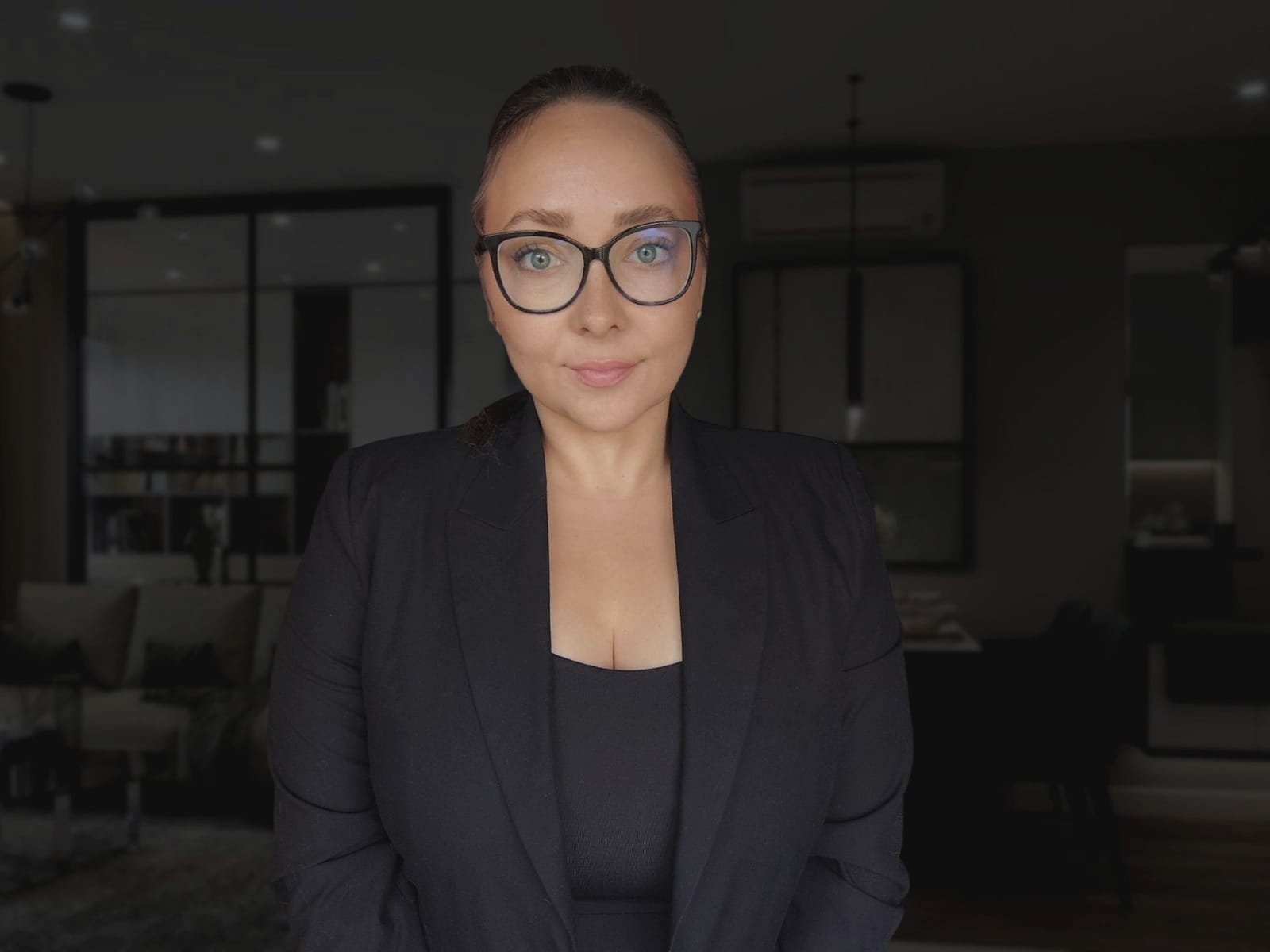
Mirna Huhoja-Dóczy is the founder of Bits of Brand, a Croatia-based marketing and PR consultancy for architecture, design and creative brands. She has 15+ years of editorial, marketing and communications experience, with client features in Dezeen, ArchDaily, Designboom, The Guardian, Forbes and Vogue Italia. Get in touch at mirna@bitsofbrand.com.