The short answer
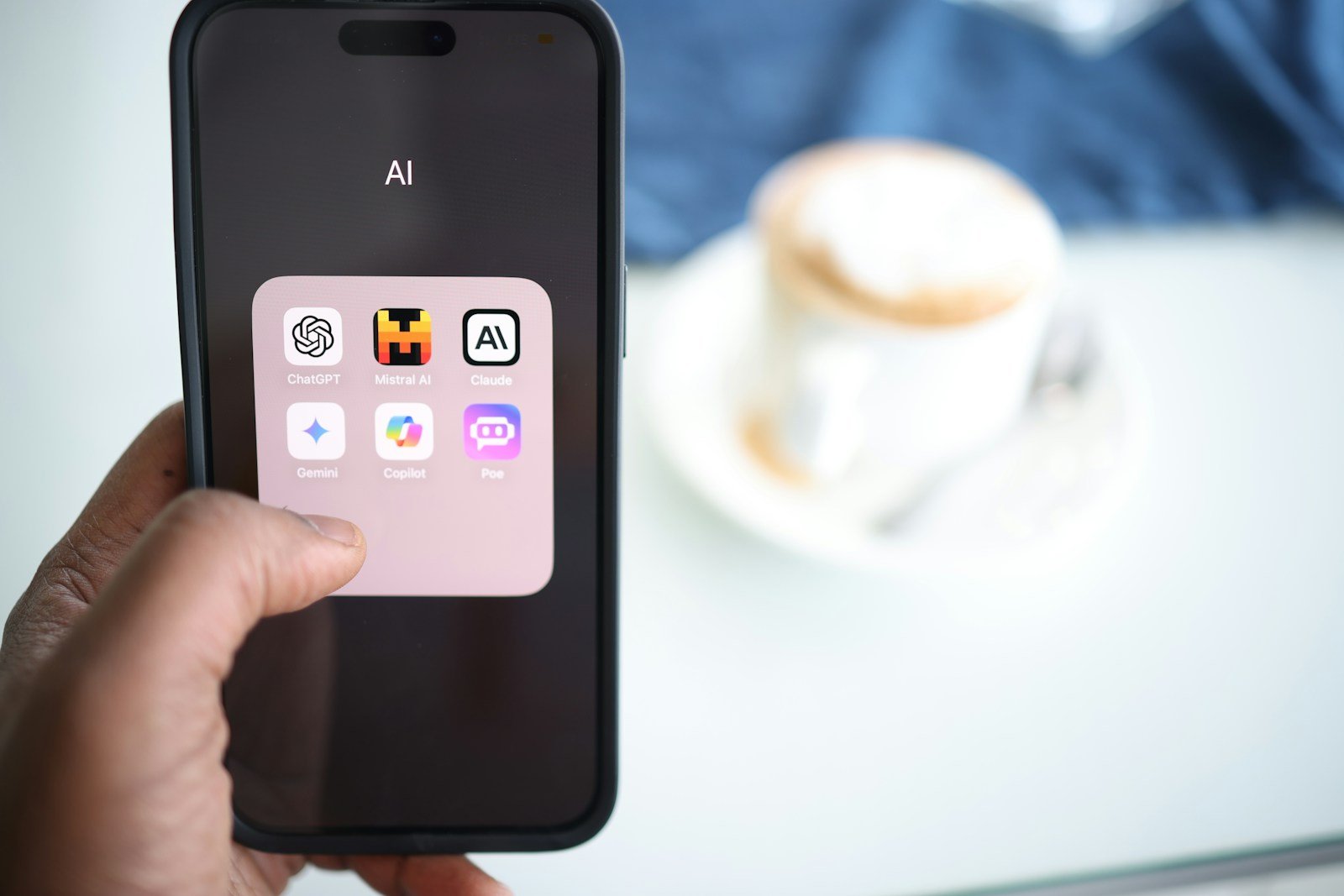
PR matters more in the age of AI because AI assistants are becoming the new search engine. When someone asks ChatGPT, Perplexity or Google’s AI Overviews to recommend an interior designer in Vienna or a studio that does sustainable timber houses, they no longer get ten blue links, they get a short answer with three or four names. Those names come from what the AI has read about you across the web, so the brands that get recommended are the ones that appear, consistently and credibly, in many trusted places. That is exactly what PR does.
How are clients finding architects and designers now?
They still look at Instagram, ask friends and browse Dezeen on a Sunday morning, but more and more of them also simply ask an AI. The question has changed from “architects near me” to something far more specific, such as “who designs calm, minimal family homes in Slovenia with a mid-range budget”, and the answer arrives as a recommendation rather than a list to dig through. If your studio is not part of that answer, the client may never reach your beautifully designed website at all.
Why isn’t a good website enough anymore?
Because AI tools do not just read what you say about yourself, they compare it with what everyone else says about you. A website that calls a studio “award-winning and internationally recognised” carries very little weight on its own, while a feature in a respected magazine, an interview on a design podcast, a listing in a professional directory and a jury citation all confirm the same story from the outside. Think of it as references for a job application: the AI wants to hear from people other than you.
What does AI actually trust?
It tends to trust the same things a careful editor trusts. Mentions on independent, reputable sites count far more than your own posts, especially when they describe you in a consistent way, with the same name, the same specialism and the same location. Specific facts help too, such as the projects you have completed, the materials you work with and the clients you serve, because an AI can quote a fact much more easily than an adjective. And recency matters, so a single feature from 2019 slowly fades while regular coverage keeps your name in circulation.
So do you really have to be everywhere?
Not literally everywhere, but in enough of the right places that the story about you is impossible to miss. For most architects, designers and creative brands that means a mix of:
- features in design and architecture media, and occasionally in lifestyle, business or local press
- awards, shortlists and exhibitions, which create third-party descriptions of your work
- interviews, podcasts, talks and guest articles in your own voice
- up-to-date profiles on LinkedIn, professional directories and platforms such as Houzz or Behance
- a website with clear, factual pages and a blog that answers the questions clients actually ask
The trick is consistency rather than volume. Ten placements that all describe you the same way do more for your visibility than fifty scattered ones that each tell a slightly different story.
Is SEO dead, then?
Not dead, just no longer working alone. Classic SEO still helps AI tools find and understand your website, but recommendations increasingly depend on your reputation across the web. In other words, SEO opens the door and PR decides whether the AI walks you through it.
What should you do first?
Start by asking a few AI tools the questions your ideal client would ask and see who they recommend, and then ask them directly about your studio and read what they say. It is often a slightly humbling exercise, but it shows you very clearly where your story is missing, outdated or told only by you. From there, choose one strong project, prepare it properly for the media and begin building the outside voices that AI, and people, are listening to.
FAQ
Can I pay to be recommended by ChatGPT or Perplexity? Not in the ordinary editorial answers. Recommendations are shaped by what is published about you, which is why earned coverage has become so valuable.
How long does it take for PR to affect AI recommendations? It varies, but think in months rather than weeks, since AI tools need time to find, read and connect new mentions.
Does this matter for small studios and independent designers? Very much so. A clear specialism and a handful of credible features can make a small practice easier to recommend than a large one with a vague profile.
Is social media enough? It helps people discover you, but AI tools rely far more on articles, profiles and pages they can read and cite, so Instagram alone rarely gets you recommended.
About the author
Mirna Huhoja-Dóczy is the founder of Bits of Brand, a Croatia-based marketing and PR consultancy for architecture, design and creative brands. She has 15+ years of editorial, marketing and communications experience, with client features in Dezeen, ArchDaily, Designboom, The Guardian, Forbes and Vogue Italia. Get in touch at mirna@bitsofbrand.com.